


Pickleball Court Installation in South Florida
A successful Pickleball Court Installation in South Florida needs more than regulation lines and a fresh coat of color. In a tropical climate, the court must be planned for intense UV exposure, high humidity, sudden downpours, wind, salt air, and year-round use. When those conditions are addressed from the beginning, the result is a safer, more consistent court that holds up better over time.
Pickleball continues to grow across South Florida because it fits private homes, HOAs, clubs, schools, and community recreation spaces. The sport is easy to learn, highly social, and active without requiring the same footprint as tennis. Still, a court that plays well in South Florida needs careful site planning, moisture-aware materials, proper drainage, and a surface texture that supports fast movement without becoming slick.
Ace Coatings South Florida evaluates these details as part of a complete sport-surface system. The base, slope, coatings, fencing, and maintenance plan all affect how the court performs after months of sun, rain, and regular play.
Planning Pickleball Court Installation in South Florida for Tropical Conditions
South Florida’s climate creates unique demands for outdoor courts. The sun can fade low-quality coatings, humidity can encourage algae and mildew, and heavy rain can expose drainage problems quickly. A court may look finished on day one, but if the site is not built to manage water and heat, performance can decline faster than expected.
The regulation pickleball playing area measures 20 feet wide by 44 feet long, but a safe court needs more room than the painted lines. A common minimum total playing area is about 30 feet by 60 feet, allowing space for players to move beyond the baselines and sidelines.
For private courts, clubs, or community facilities, site planning should review:
Available space and court orientation
Drainage direction and existing grade
Sun exposure and glare
Wind patterns
Nearby homes or noise-sensitive areas
Fence and gate placement
Lighting needs
Local permitting requirements
Accessibility and player circulation
Court orientation matters because glare can affect visibility during morning and evening play. Wind should also be considered, especially near open coastal areas where lightweight pickleballs can be pushed off course during play.
Site Requirements for Pickleball Court Installation in South Florida
Before construction begins, the property should be reviewed for permits, setbacks, drainage rules, and impervious surface limits. Many municipalities have requirements related to paving, stormwater management, fence height, lighting, and property boundaries.
A well-planned court should also account for how people will use the space. A backyard court may need privacy, sound control, and landscaping integration. A community court may need walkways, seating, shade, multiple gates, and safe separation between courts.
Drainage is one of the most important details in South Florida. Heavy rainfall can leave water sitting on poorly sloped courts, creating slick areas and shortening the life of the surface coating. Courts should be built with a subtle slope that moves water off the playing area without making the court feel uneven.
Depending on the site, drainage planning may include:
Proper court slope
Perimeter drains
French drains
Catch basins
Runoff routing
Grading around the court
Clearing drainage paths near fencing
The goal is simple: move water away from the court quickly and predictably.
Surface Systems for Pickleball Court Installation in South Florida
The court surface determines traction, bounce, comfort, color visibility, and long-term durability. In South Florida, materials should be selected for outdoor athletic use and tropical weather conditions.
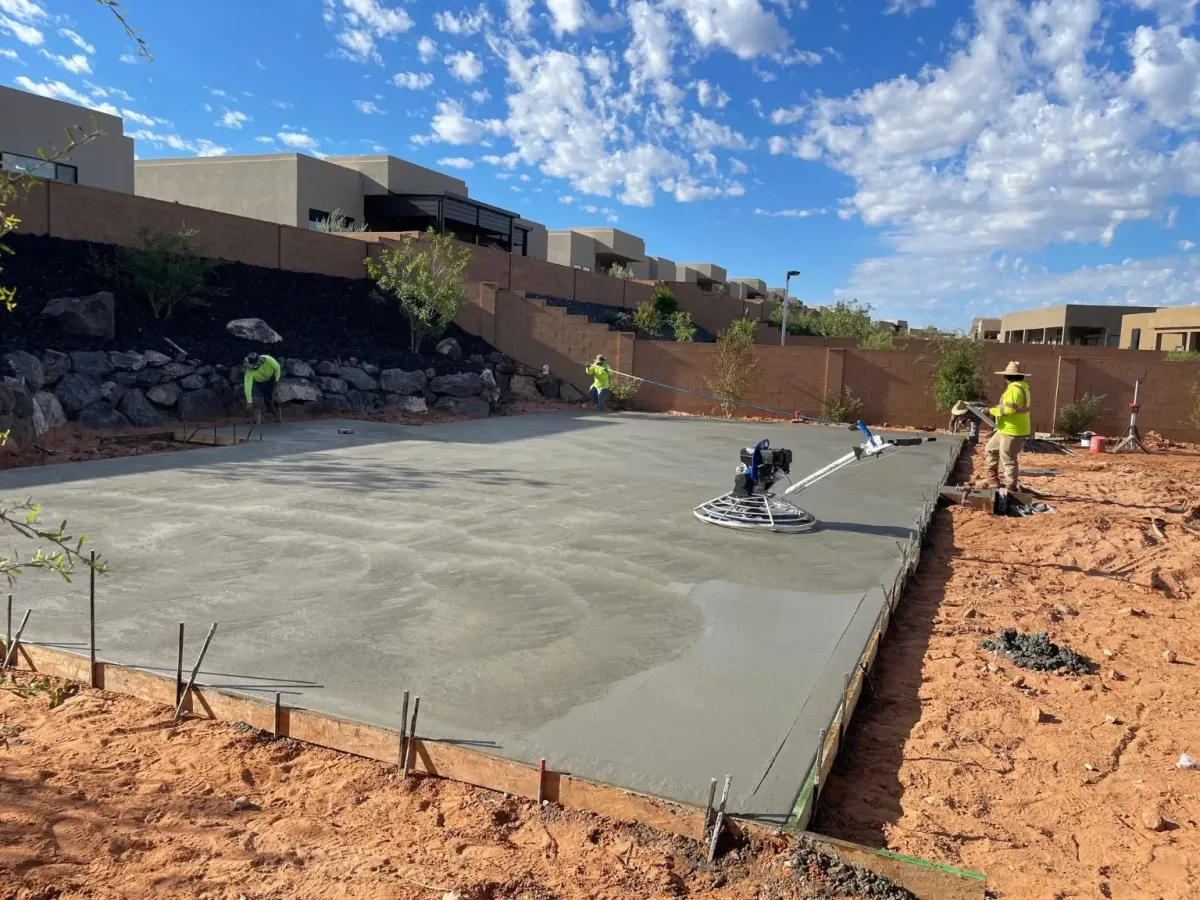
Most outdoor pickleball courts use asphalt or concrete as the base. Concrete is often preferred for long-term stability because it provides a rigid foundation and can resist certain forms of movement better when properly designed. Asphalt may be appropriate in some projects, but it can soften in heat and may require more frequent maintenance over time.
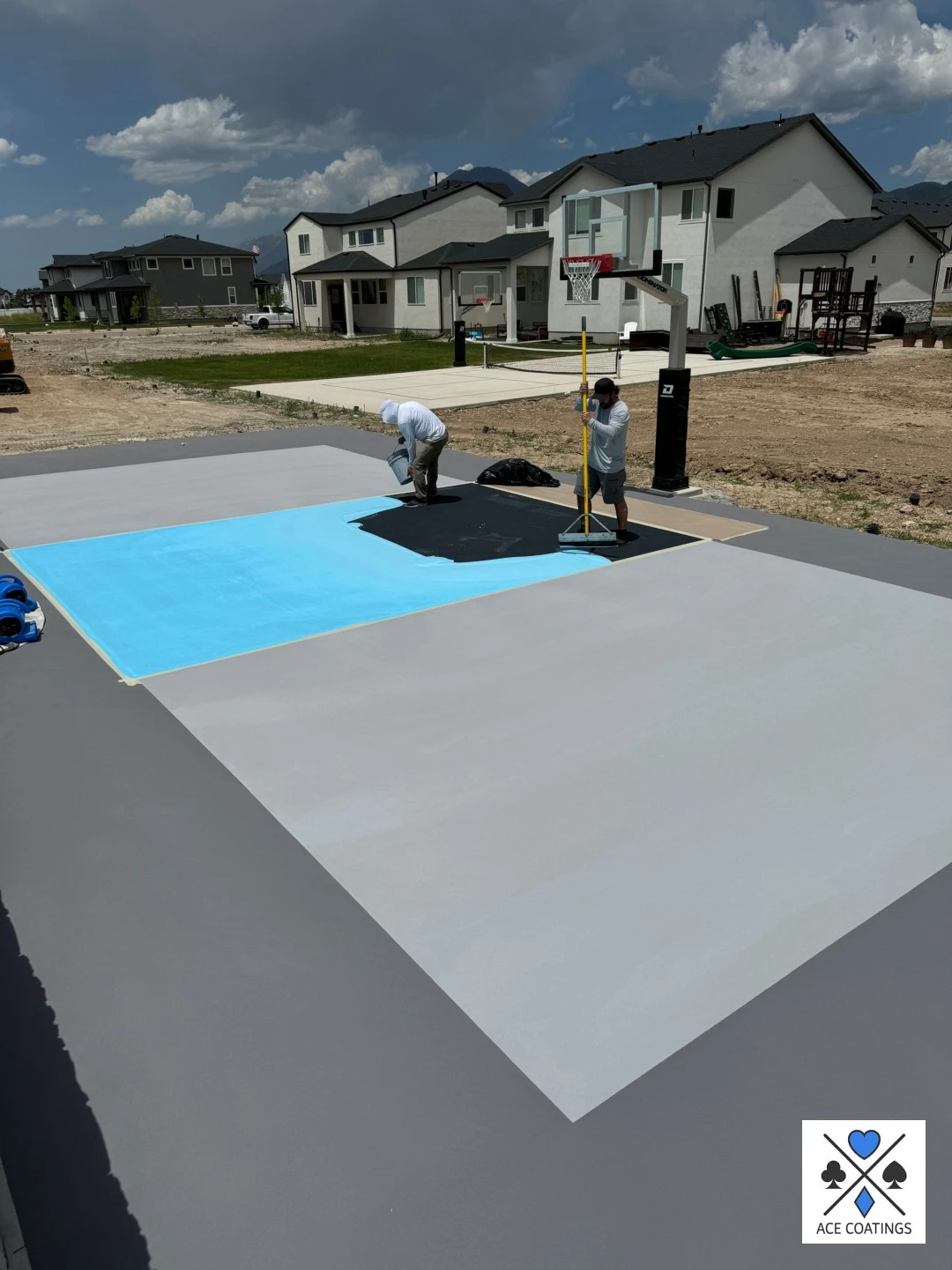
Once the base is prepared, an acrylic sport surfacing system is typically applied. These systems are different from standard paint. They are designed to bond to the base, create controlled texture, resist UV exposure, and support consistent ball response.
A typical acrylic court system may include:
Surface cleaning and preparation
Crack or patch repair
Acrylic resurfacer
Textured color coats
Precision line striping
Optional cushioned layers
Texture is critical in humid climates. A surface that is too smooth can become slippery, especially after rain, morning moisture, or organic buildup. A surface that is too rough can feel harsh and cause unnecessary wear. Professional acrylic systems use controlled aggregate blends to balance grip, comfort, and playability.
Coating Choices for Pickleball Court Installation in South Florida
South Florida courts benefit from coatings that resist UV fading, moisture-related failure, and surface wear. Breathable acrylic systems are commonly used because they allow moisture vapor to escape while still protecting the court surface. This can help reduce blistering, peeling, and premature coating problems.
Cushioned sport surfaces are also worth considering. These systems use rubberized layers beneath the color coats to reduce impact on knees, ankles, hips, and lower backs. For active adult communities, resorts, schools, and frequent players, added comfort can make the court more enjoyable for longer sessions.
Color selection also matters. High-contrast court colors improve ball visibility, while lighter tones may help reduce surface heat. Many South Florida projects use blue and green combinations, but the best choice depends on surrounding landscaping, glare, and user preference.
Line accuracy should follow official dimensions. For rule guidance, court owners should review standards from USA Pickleball before finalizing layout, striping, and net placement.
Maintaining Pickleball Court Installation in South Florida Over Time
Even a well-built court needs consistent upkeep in a tropical environment. Heat, humidity, rain, leaves, palm debris, pollen, and algae can all affect traction and appearance if the surface is neglected.
A simple maintenance routine can extend the life of the court and keep play safer:
Sweep or blow off debris regularly
Rinse the surface when dirt builds up
Use mild cleaner for organic growth
Keep drains and edges clear
Trim landscaping away from fencing
Inspect low spots after heavy rain
Address cracks before water enters
Avoid harsh chemicals and aggressive pressure washing
Standing water should be taken seriously. If puddles remain after rain, the court may have low areas that need professional repair. These depressions can become slippery, stain the coating, and affect ball bounce.
Resurfacing is eventually part of every outdoor court’s life cycle. Depending on use, exposure, and maintenance, resurfacing may include cleaning, crack repair, patching, acrylic resurfacer, new color coats, and fresh striping. Ace Coatings South Florida helps evaluate whether a court needs routine cleaning, targeted repair, resurfacing, or a more complete restoration.
Enhancements for Pickleball Court Installation in South Florida
The right court enhancements can improve comfort, safety, and everyday usability. In South Florida, fencing, lighting, shade, and wind control are especially important.
Fencing keeps balls contained and helps define the play area. Taller fencing is often used behind baselines, while side fencing may vary depending on the site and desired openness. Windscreens can improve privacy, reduce wind effects, and create a cleaner visual background for tracking the ball.
Lighting is useful for evening play and can help players avoid the hottest parts of the day. LED lighting should be positioned to reduce glare and limit light spill into neighboring properties. For residential areas, this detail can make a major difference in comfort and neighbor relations.
Noise should also be considered early. Pickleball creates a sharper sound than tennis because of the paddle and plastic ball impact. Court placement, acoustic materials, landscaping, and thoughtful play hours can help reduce concerns in residential or shared communities.
For properties with existing tennis courts, conversion may be a practical option. One standard tennis court can often be adapted into multiple pickleball courts, depending on the layout, safety spacing, and condition of the existing surface. This can be a cost-effective way to bring new life to an underused recreation area.
A South Florida pickleball court should be built for more than appearance. It needs to drain properly, resist weather stress, provide dependable traction, and remain easy to maintain. When the layout, base, coatings, and accessories are planned together, the court becomes a reliable space for fitness, social play, and long-term enjoyment.
Contact Ace Coatings South Florida to discuss your court plans, ask questions about surface options, or schedule a site review. Their team can help you understand what your space needs and recommend practical next steps based on your goals, budget, and playing conditions.
