

Complete Guide to Painting Pickleball Lines on Concrete Basketball Court
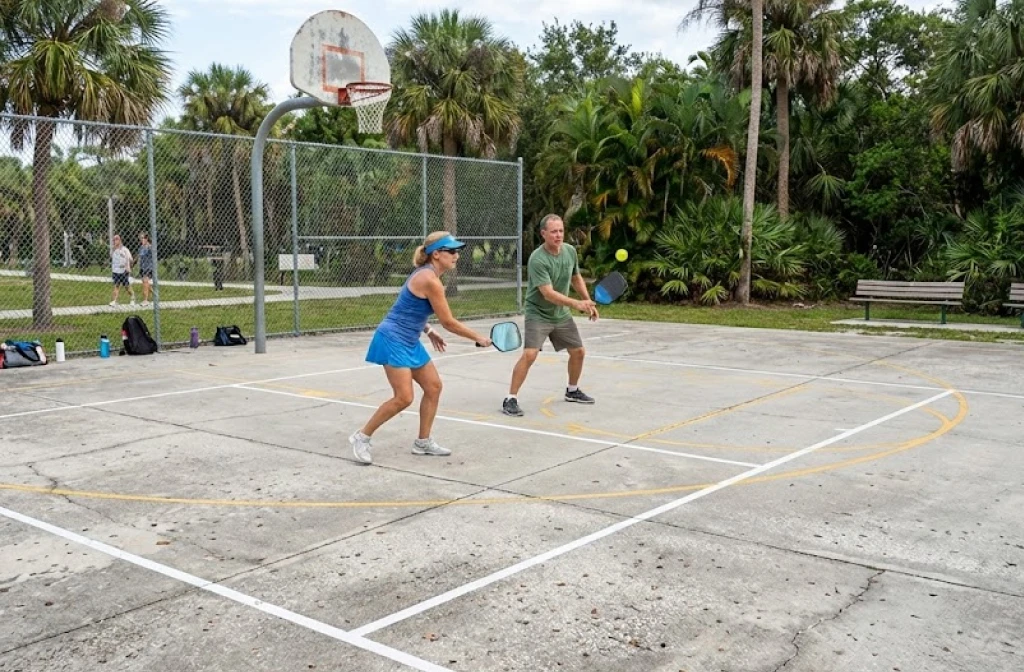
If you’re considering Painting Pickleball Lines on Concrete Basketball Court surfaces, you’re making a strategic upgrade that adds long-term value and versatility to your recreational space. Converting an underused basketball court into a dual-purpose pickleball surface is a cost-effective way to meet growing demand for one of America’s fastest-growing sports. With proper measurements, surface preparation, and professional-grade materials, you can achieve regulation-compliant results that last for years—not just one season.
This expert guide outlines best practices, official specifications, and professional application techniques aligned with standards recognized by USA Pickleball. Whether you’re managing a school, HOA, church, park, or private residence in South Florida, understanding the correct process ensures durability, safety, and clean aesthetics.
Painting Pickleball Lines on Concrete Basketball Court: Tools and Materials That Matter
Selecting the right materials is critical to long-term performance. Concrete is porous, exposed to heat, and subject to expansion and contraction—especially in humid South Florida conditions. Standard exterior house paint will not provide adequate adhesion or flexibility.
Essential Supplies for Painting Pickleball Lines on Concrete Basketball Court
For accurate layout and durable striping, you’ll need:
100-foot measuring tape
Chalk line reel (blue or white chalk preferred)
High-adhesion painter’s tape for rough concrete (1.5–2 inches wide)
Acrylic traffic or athletic line paint
4-inch roller with 3/8" nap sleeve
Paint tray
Broom or leaf blower
Hose or pressure washer
Acrylic traffic paint is specifically engineered for outdoor pavement. It resists UV exposure, bonds to textured concrete, and flexes with temperature changes—reducing cracking and peeling.
Professional athletic surface contractors, including Ace Coatings South Florida, use commercial-grade acrylic systems formulated for long-term performance in coastal climates where heat and humidity are constant factors.
Official Dimensions Before Painting Pickleball Lines on Concrete Basketball Court
Accuracy is essential. A regulation pickleball court measures:
44 feet long (baseline to baseline)
20 feet wide
7-foot Non-Volley Zone (Kitchen) on each side of the net
The Non-Volley Zone prevents players from volleying near the net and plays a critical role in game strategy. Even minor measurement errors can affect play quality and compliance.
Most basketball courts offer helpful reference points. The hoop alignment can serve as the net centerline, and the free-throw line often assists in establishing accurate 22-foot baseline spacing from the net line.
Measure carefully and confirm square corners using the 3-4-5 method:
3 feet along one boundary
4 feet along the adjacent boundary
The diagonal should measure 5 feet
This ensures perfect 90-degree corners and prevents a skewed layout.
For facilities seeking regulation accuracy and professional execution, Ace Coatings South Florida provides detailed layout verification to eliminate measurement inconsistencies.
Surface Preparation for Painting Pickleball Lines on Concrete Basketball Court
Surface preparation determines whether your lines last months or years. Concrete naturally absorbs dirt, oils, and moisture—each of which interferes with paint adhesion.
Surface Prep Checklist for Painting Pickleball Lines on Concrete Basketball Court
Remove debris with a broom or blower.
Scrub the area using a concrete-safe degreaser.
Rinse thoroughly until water runs clear.
Allow 24–48 hours for complete drying.
If the concrete surface appears smooth or sealed, consider a concrete etching solution. Etching opens microscopic pores in the surface, improving paint bonding.
Painting over damp concrete is one of the most common DIY mistakes. Trapped moisture leads to bubbling and premature peeling.
Professional installers like Ace Coatings South Florida evaluate surface porosity, moisture levels, and previous coatings before striping begins. This extra layer of preparation ensures stronger adhesion and longer-lasting results.
Taping and Application Techniques for Professional Results
Once measurements are chalked:
Apply painter’s tape on the outside edge of chalk lines.
Press tape firmly into the concrete texture to prevent bleed-through.
Apply two thin coats of acrylic paint rather than one heavy coat.
Thin applications cure more evenly and resist cracking. Allow the first coat to become tacky before applying the second.
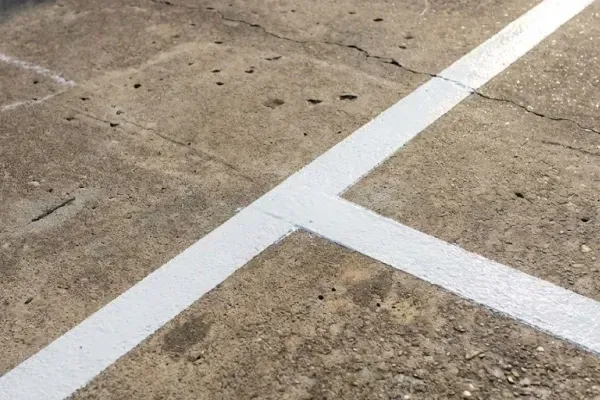
Remove tape while paint is still slightly tacky—typically 30 to 60 minutes after application. Pull slowly at a 45-degree angle to create clean, sharp edges.
Curing Time and Long-Term Durability
Dry paint is not fully cured paint. Although lines may feel dry within hours, full curing requires significantly more time.
General curing guidelines:
24 hours before light foot traffic
48–72 hours before recreational play
Up to 7 days for full hardness and durability
South Florida’s humidity can extend curing times. Always monitor weather conditions before application.
For high-traffic facilities such as schools and public parks, professional resurfacing and striping services reduce downtime while maximizing durability.
DIY vs Professional Installation
While DIY painting can work for small residential courts, larger facilities often benefit from professional installation.
Professional installation ensures:
Regulation-compliant measurements
Surface profiling and crack repair
Slip-resistant texture
Even coating thickness
Long-term UV resistance
Ace Coatings South Florida specializes in athletic court resurfacing designed specifically for Florida’s climate challenges, including high humidity, intense sun exposure, and heavy rainfall.
Maintenance Tips to Protect Your Investment
Once completed, routine maintenance preserves line clarity and surface integrity.
Remove debris weekly
Rinse dirt buildup periodically
Inspect annually for touch-ups
Avoid harsh chemicals that degrade coatings
Properly prepared and applied acrylic lines typically last 2–3 years before minor refreshing is needed.
Final Thoughts on Painting Pickleball Lines on Concrete Basketball Court
Transforming a concrete basketball court into a dual-purpose pickleball facility is a practical, value-driven improvement that expands recreational opportunities without major construction costs. With precise measurements, correct surface preparation, and high-quality acrylic coatings, you can create a durable, regulation-ready court that serves your community for years.
If you want expert guidance, professional striping, and athletic coatings engineered for South Florida’s demanding conditions, professional installation may be the right solution.
Contact us at Ace Coatings South Florida today to schedule a consultation and receive a professional quote for your court conversion project.
