


How to Paint a Pickleball Court on Concrete | Ace Coatings South Florida
Pickleball continues to grow rapidly across South Florida, and concrete surfaces are one of the most common foundations for outdoor courts. Knowing how to paint a pickleball court on concrete correctly is essential for achieving consistent ball response, player safety, and long-lasting performance. Whether you’re upgrading a residential slab, resurfacing a community court, or planning a recreational facility improvement, proper preparation, materials, and technique make all the difference.
This guide walks through the professional process used by experienced court contractors, explaining not just what to do—but why each step matters for durability and play quality in South Florida’s climate.
How to Paint a Pickleball Court on Concrete the Right Way
Painting a pickleball court is more than applying color—it’s a technical process that combines surface science, accurate measurements, and sport-specific materials.
How to Paint a Pickleball Court on Concrete With Proper Planning
Before any paint is opened, planning is critical. A regulation pickleball court measures 20 feet wide by 44 feet long for both singles and doubles play. The non-volley zone (kitchen) extends 7 feet from the net on each side, and net height is 36 inches at the sidelines and 34 inches at the center.
Accurate layout ensures fair play and consistent spacing. Measurements and line placement should align with standards recognized by USA Pickleball to maintain correct court geometry and player expectations.
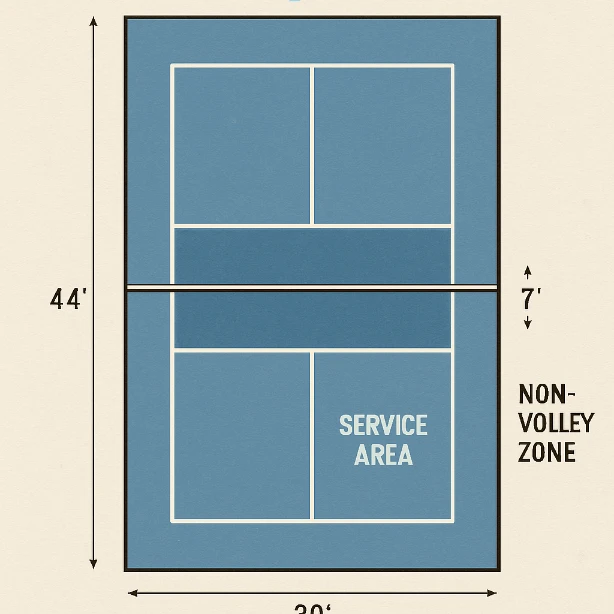
Using chalk lines, string lines, and precision measuring tools helps avoid costly repainting or corrections later in the process.
How to Paint a Pickleball Court on Concrete With Proper Surface Prep
Surface preparation is the most important factor in how long your court will last. Skipping or rushing this stage often leads to peeling paint, poor traction, and premature wear.
How to Paint a Pickleball Court on Concrete After Cleaning and Repairs
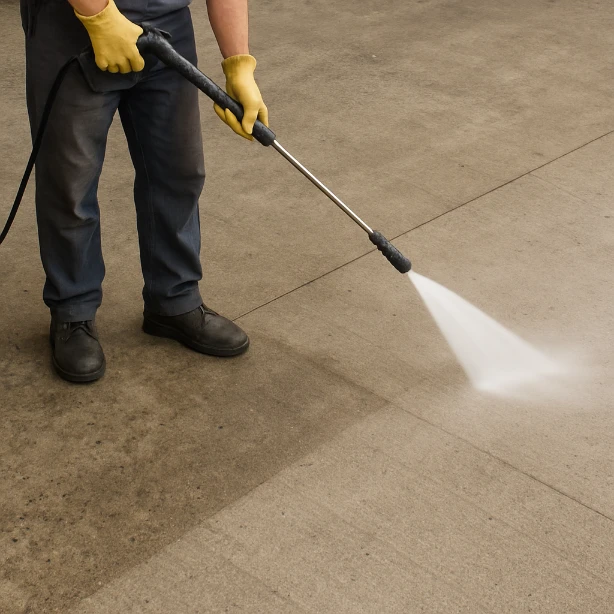
Concrete must be thoroughly cleaned before painting. Pressure washing removes dirt, mildew, oils, and loose debris that can prevent paint adhesion. In South Florida, moisture and organic buildup are especially common, making deep cleaning essential.
After cleaning, inspect the surface for:
Cracks
Low spots
Surface scaling or spalling
All defects should be repaired using appropriate concrete patching compounds. Smooth, even surfaces provide better ball bounce and reduce trip hazards.
How to Paint a Pickleball Court on Concrete Using Primer
Priming is often overlooked but plays a major role in coating performance. A concrete primer seals the surface, improves adhesion, and promotes uniform color coverage.
Once repairs are complete and the surface is fully dry, apply primer evenly and allow it to cure according to manufacturer specifications before moving on to paint application.
How to Paint a Pickleball Court on Concrete for Performance and Longevity
Once the surface is prepped, painting must be done carefully to ensure traction, visibility, and long-term durability.
How to Paint a Pickleball Court on Concrete With Sport Coatings
Not all paints are suitable for pickleball courts. Acrylic sport coatings are specifically engineered for outdoor athletic use, providing:
Slip resistance
UV protection
Color stability
Controlled surface texture
Using rollers for large areas and brushes for edges ensures even coverage. Multiple thin coats are preferred over one thick coat, allowing proper curing and consistent texture.
How to Paint a Pickleball Court on Concrete With Accurate Line Striping
Court lines define gameplay and must be straight, visible, and durable. Painter’s tape is used to mask boundaries, centerlines, and the non-volley zone.
Lines are typically painted last using high-contrast colors to improve visibility in bright sunlight. Removing tape while paint is slightly tacky helps achieve crisp edges without peeling.
How to Paint a Pickleball Court on Concrete With Final Sealing
A clear acrylic sealer can be applied after the paint has fully cured. This additional layer protects against moisture intrusion, surface wear, and fading—particularly important in South Florida’s heat and humidity.
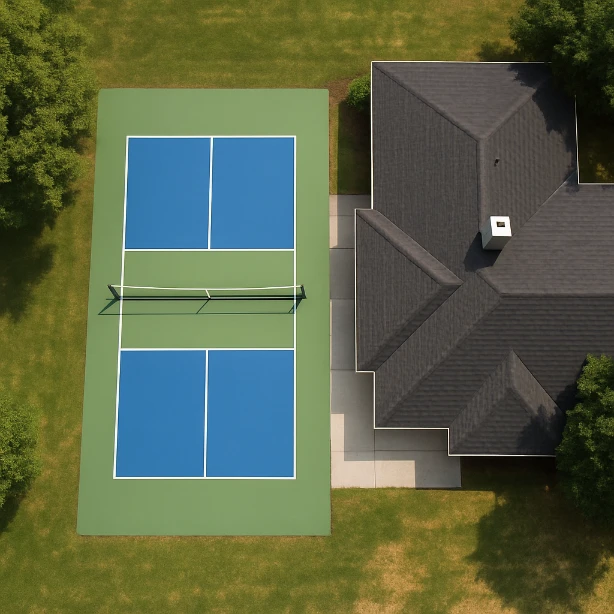
Allow the court to cure for several days before play to ensure maximum coating performance.
Maintaining Your Painted Pickleball Court
Ongoing maintenance extends the life of your court and preserves play quality.
Sweep regularly to remove debris
Rinse the surface to prevent dirt buildup
Inspect for fading or minor cracks
Schedule recoating or line touch-ups as needed
With proper care, a professionally painted concrete pickleball court can perform well for many years before requiring resurfacing.
Conclusion
Painting a pickleball court on concrete requires careful planning, professional materials, and precise execution. From surface preparation to final striping, every step contributes to safety, durability, and consistent play. While DIY projects can be rewarding, many property owners choose professional contractors to ensure long-term results—especially in demanding outdoor environments like South Florida.
If you want a pickleball court that looks professional, plays consistently, and holds up against heat, rain, and heavy use, contact us at Ace Coatings South Florida today. Our experienced team specializes in sport court coatings and resurfacing solutions designed to deliver lasting value and exceptional performance. Let us help you transform your concrete surface into a pickleball court you’ll be proud to play on.
