

Guide on Good Alternatives to Concrete for a DIY Pickleball Court That Still Look Nice and Last Long - Ace Coatings South Florida
You’ve mapped out your dream court, but the cost of pouring concrete suddenly makes the project feel overwhelming. If you’re searching for good alternatives to concrete for a DIY pickleball court, the good news is—you have several excellent options that look great, perform well, and last for years without the massive upfront cost.
In climates like South Florida, where heat, humidity, and heavy rain are constant factors, choosing the right material is even more important. Working with professionals like Ace Coatings South Florida can help you avoid costly mistakes and ensure your DIY project delivers long-term value and playability.
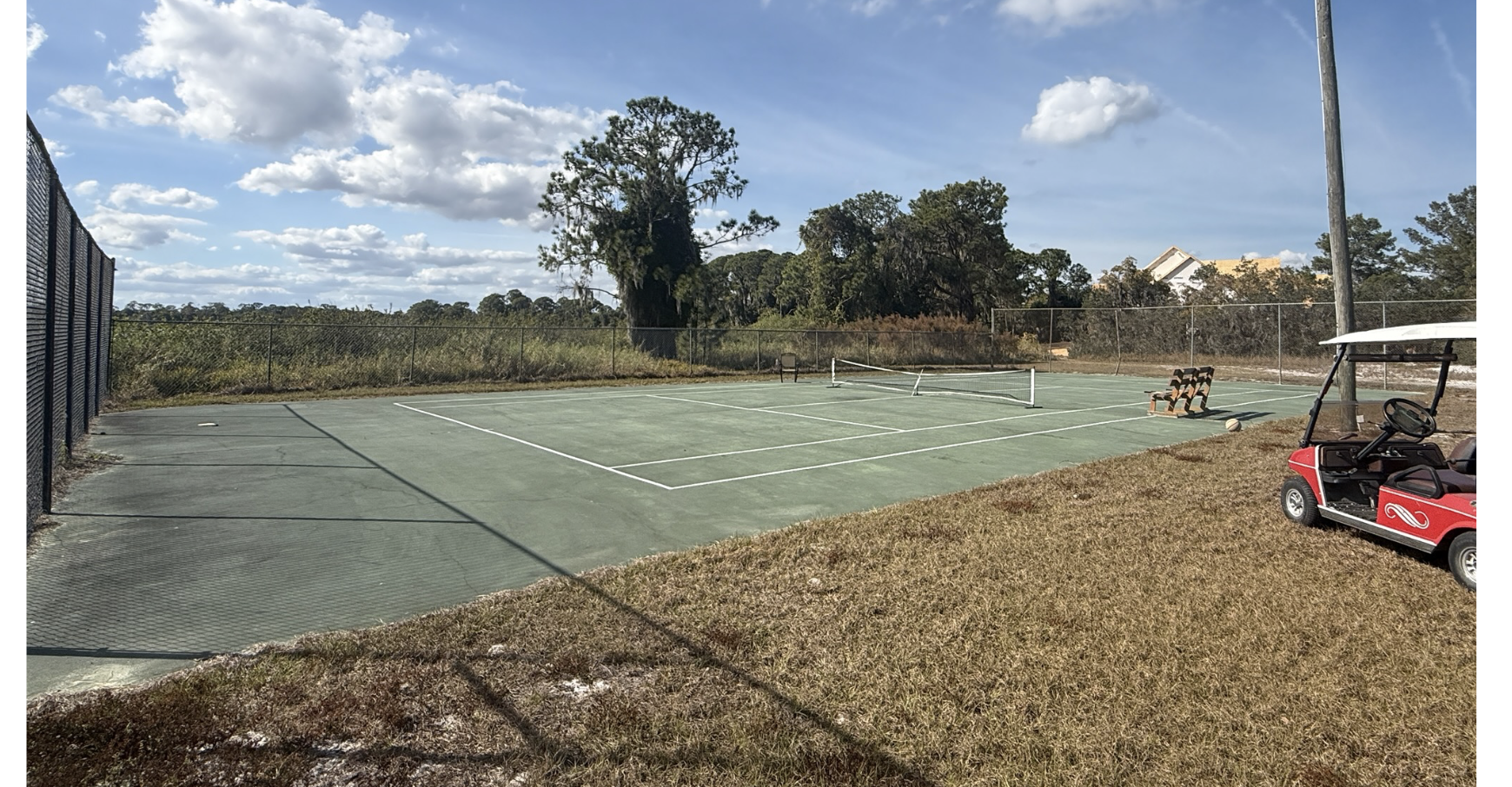
Why Good Alternatives to Concrete for a DIY Pickleball Court Start with the Right Foundation
Before choosing your surface, it’s critical to understand that the foundation determines how well your court performs over time.
The “Cake Foundation” Principle
Think of your court like a layered system—if the base is unstable, everything above it will fail. A proper sub-base:
Prevents sinking and shifting
Improves drainage in rainy climates
Keeps your surface level and playable
Building a Solid DIY Base
For most DIY courts, a compacted stone base is the best starting point. The process includes:
Excavating 4–6 inches of soil
Installing geotextile fabric for stability
Adding and compacting crushed stone
Creating a slight slope (about 1%) for drainage
This approach is both cost-effective and highly durable, especially in moisture-prone areas like South Florida.
Good Alternatives to Concrete for a DIY Pickleball Court That Balance Performance and Budget
Once your base is ready, you can choose from several surface options depending on your budget, timeline, and playing preferences.
Modular Interlocking Tiles (Best Overall DIY Option)
Interlocking tiles are one of the most popular alternatives because they are:
Easy to install (snap-together system)
Shock-absorbing for better joint comfort
Low maintenance and weather-resistant
These tiles also allow water to drain through, making them ideal for humid and rainy environments.
Asphalt with Acrylic Coating (Closest to Pro Feel)
If you want a more traditional court feel:
Asphalt provides a firm, consistent bounce
Acrylic coatings add grip and color
Costs are typically lower than concrete
However, asphalt requires periodic maintenance, including sealing and crack repair.
Permeable Pavers (Best for Aesthetic and Drainage)
For homeowners who want a multi-use space:
Pavers offer a clean, upscale look
Allow water to pass through naturally
Work well in areas with drainage restrictions
This option blends functionality with design, making it ideal for backyard transformations.
How to Choose Good Alternatives to Concrete for a DIY Pickleball Court That Last
Not all materials perform equally over time. Choosing the right one depends on your environment and usage.
Climate Considerations in South Florida
Heat and humidity can impact materials differently:
Asphalt can soften under extreme heat
Poor drainage can damage rigid surfaces
UV exposure can fade low-quality coatings
That’s why consulting experts like Ace Coatings South Florida can help you select materials designed for local conditions.
Durability vs Maintenance
Here’s how the main options compare:
Tiles: Low maintenance, long lifespan
Asphalt: Moderate maintenance, good performance
Pavers: Very durable, minimal structural issues
Choosing the right balance ensures your court stays playable for years.
Cost, Installation, and Long-Term Value
Budget plays a major role in deciding which alternative is right for you.
Typical Cost Expectations
Modular tiles: Mid-range cost, easiest installation
Asphalt: Lower upfront cost, higher maintenance
Pavers: Higher material cost, long-term durability
DIY Difficulty Levels
Tiles: Beginner-friendly
Pavers: Moderate effort
Asphalt: Requires professional assistance for base
Long-Term ROI
A well-built court:
Adds value to your property
Provides years of recreation
Reduces maintenance costs when done correctly
Your DIY Roadmap to a Backyard Pickleball Court
Building a court without concrete is completely achievable with the right plan.
Step-by-Step Starter Checklist
Measure your 30' x 60' court area
Prepare and compact your base properly
Choose a surface that fits your budget and climate
Plan for drainage and long-term maintenance
With the right approach, you can create a professional-looking court without the high cost of concrete.
Build Smart, Play Longer
Choosing good alternatives to concrete for a DIY pickleball court allows you to save money without sacrificing quality. Whether you prefer modular tiles, asphalt, or pavers, each option offers unique benefits tailored to different needs.
By combining smart material choices with proper preparation—and guidance from professionals like Ace Coatings South Florida—you can build a court that looks great, performs well, and lasts for years.
Contact Us
Thinking about building your own pickleball court without the high cost of concrete?
Contact Ace Coatings South Florida today to schedule a consultation. Our team is here to help you choose the right materials, plan your layout, and ensure your court is built for long-term performance.
