

Cushioned vs. Hard Court Pickleball Surface Guide: Comfort, Speed & Cost Comparison
If you’ve ever walked off the court energized—only to wake up the next day with sore knees—you’re not alone. This Cushioned vs. Hard Court Pickleball Surface Guide explains why the surface beneath your feet plays a major role in joint stress, ball speed, and long-term playing comfort. Whether you’re a homeowner planning a backyard court or a facility manager upgrading existing courts, understanding the structural and performance differences is essential.
Most public courts follow traditional hard-court construction, but cushioned systems are growing in popularity for a reason. The right choice depends on your goals: tournament-level speed, long-term joint protection, budget considerations, or player demographics.
Let’s break it down clearly, professionally, and with real-world installation insight.
Cushioned vs. Hard Court Pickleball Surface Guide: Construction Differences Explained
Before comparing comfort and play style, it’s important to understand how each surface is built.
Cushioned vs. Hard Court Pickleball Surface Guide: What Is a Hard Court?
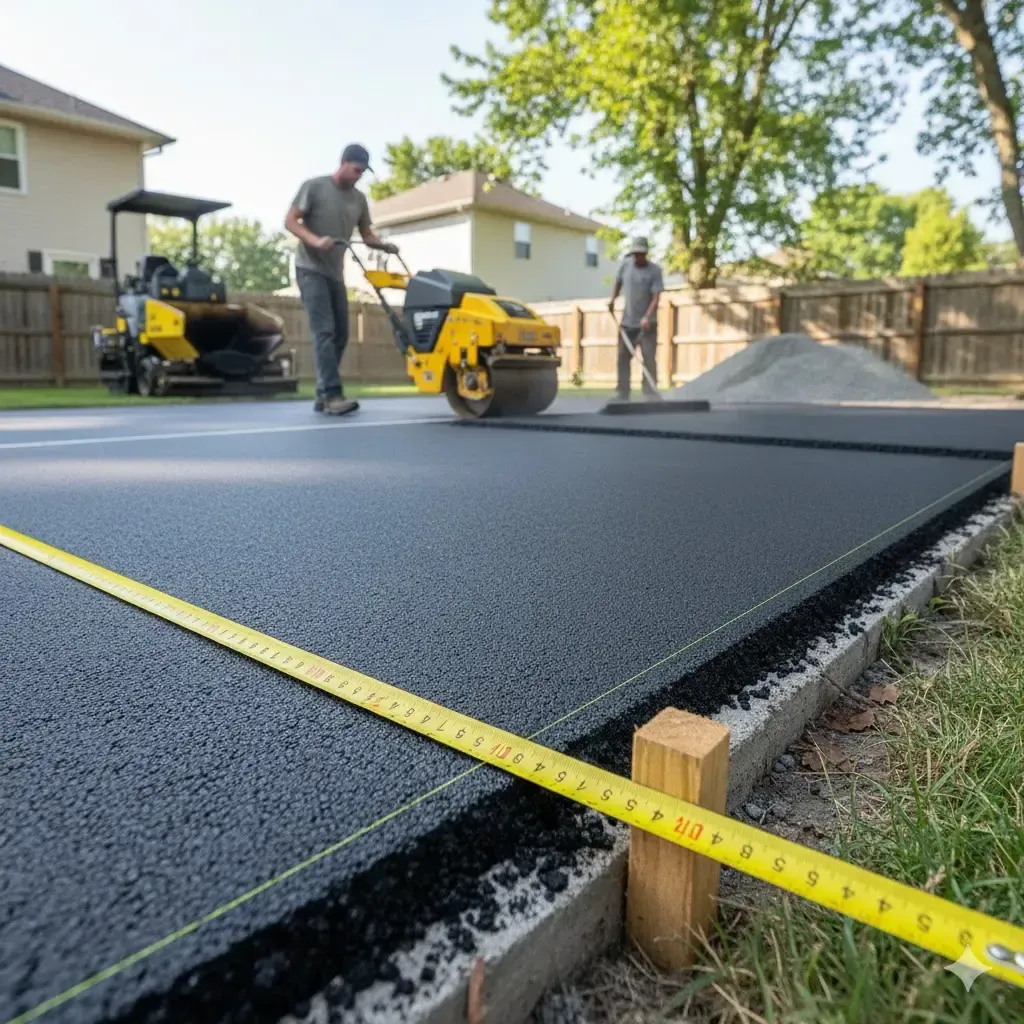
A traditional hard court consists of:
A compacted sub-base
A concrete or asphalt slab
Acrylic resurfacer layers
Textured color coats with silica sand
Line striping
This creates a seamless, bonded playing surface. Hard courts are durable, weather-resistant, and provide the fast, consistent bounce many players expect.
According to USA Pickleball, surface consistency, slope, and texture are critical for safe and competitive play. Hard acrylic courts meet these standards when installed correctly.
However, the rigid base means impact force transfers directly back to the player.
What Is a Cushioned Pickleball Court?
A cushioned court adds multiple elastomeric or rubberized layers between the slab and the final acrylic color coats.
These layers:
Contain rubber granules or flexible binders
Provide vertical deflection under pressure
Absorb a percentage of impact force
The surface still looks like a traditional court, but beneath the topcoat lies a shock-absorbing system designed to reduce strain.
Companies like Ace Coatings South Florida often recommend cushioned systems for private clubs and high-frequency facilities where player comfort is a top priority.
Cushioned vs. Hard Court Pickleball Surface Guide: Impact on Joints and Player Longevity
The most noticeable difference isn’t visual—it’s physical.
Cushioned vs. Hard Court Pickleball Surface Guide: How Shock Absorption Works
On a hard court:
Nearly all movement impact returns to your body
Ankles, knees, hips, and lower back absorb cumulative stress
Fatigue builds faster during extended play
On a cushioned court:
10–15% of force can be absorbed (depending on system thickness)
Repetitive impact is softened
Muscle stabilization effort decreases slightly
While the percentage may sound small, over thousands of movements per match, the reduction becomes meaningful.
This translates into:
Less post-game soreness
Faster recovery between sessions
Increased playing longevity
For senior-heavy communities or facilities focused on long-term player retention, cushioning can be a strategic investment.
Installers such as Ace Coatings South Florida frequently assess player demographics before recommending premium cushioning systems.
Cushioned vs. Hard Court Pickleball Surface Guide: Ball Speed, Spin, and Play Style
Comfort matters—but performance differences are just as important.
How a Hard Court Changes the Game
Hard courts:
Return maximum ball energy
Produce fast, crisp bounce
Favor aggressive, power-based play
The ball rebounds quickly and predictably, which suits tournament training and competitive environments.
How a Cushioned Court Affects Ball Response
Cushioned courts:
Slightly absorb ball energy
Reduce rebound speed marginally
Allow slightly more reaction time
The bounce height remains consistent, but the pace feels subtly moderated.
Some players also report that:
Topspin shots grip slightly more
Slices settle faster
Rallies extend longer
This can create a more strategic, controlled style of play.
Neither system is objectively better—it depends on your preferred tempo and performance goals.
Installation, Cost, and Maintenance Considerations
Budget often determines final decisions.
Upfront Installation Costs
Hard courts:
Require fewer material layers
Involve standard acrylic surfacing
Lower initial cost
Cushioned courts:
Add multiple rubberized layers
Require additional material and labor
Higher initial investment
For municipalities working within fixed budgets, building more hard courts is often the practical choice.
Maintenance Requirements
Both surfaces require:
Routine cleaning
Debris removal
Periodic resurfacing (every 5–8 years)
Crack repair if slab movement occurs
Cushioned resurfacing projects are typically more expensive due to added layers, but day-to-day maintenance remains similar.
Climate Considerations
In hot climates like South Florida:
Both systems perform well with proper drainage
Heat absorption remains comparable
Proper sub-base preparation remains critical
Choosing experienced installers ensures proper grading and long-term durability.
Quick Decision Guide: Which Surface Fits Your Goals?
Choose a Hard Court If:
You prefer fast, tournament-style play
Budget efficiency is critical
Public access and durability are top priorities
You want traditional performance standards
Choose a Cushioned Court If:
Joint comfort is your top priority
Players compete frequently
Reducing fatigue matters
You’re investing in long-term player satisfaction
Final Thoughts: Playing for Today vs. Playing for Years
The choice between cushioned and hard courts isn’t about right or wrong—it’s about aligning performance with comfort and long-term goals.
Hard courts deliver:
Speed
Classic bounce
Cost efficiency
Cushioned courts offer:
Impact reduction
Reduced fatigue
Enhanced comfort
Premium player experience
If you’re planning a new pickleball court or resurfacing an existing one, expert consultation ensures the surface matches your climate, usage level, and performance goals.
Contact us at Ace Coatings South Florida to schedule a professional evaluation and discuss the best surface solution for your facility or home court. Let’s build a court that supports both performance and player longevity.
